

The so-called thermal inertia is heat storage.
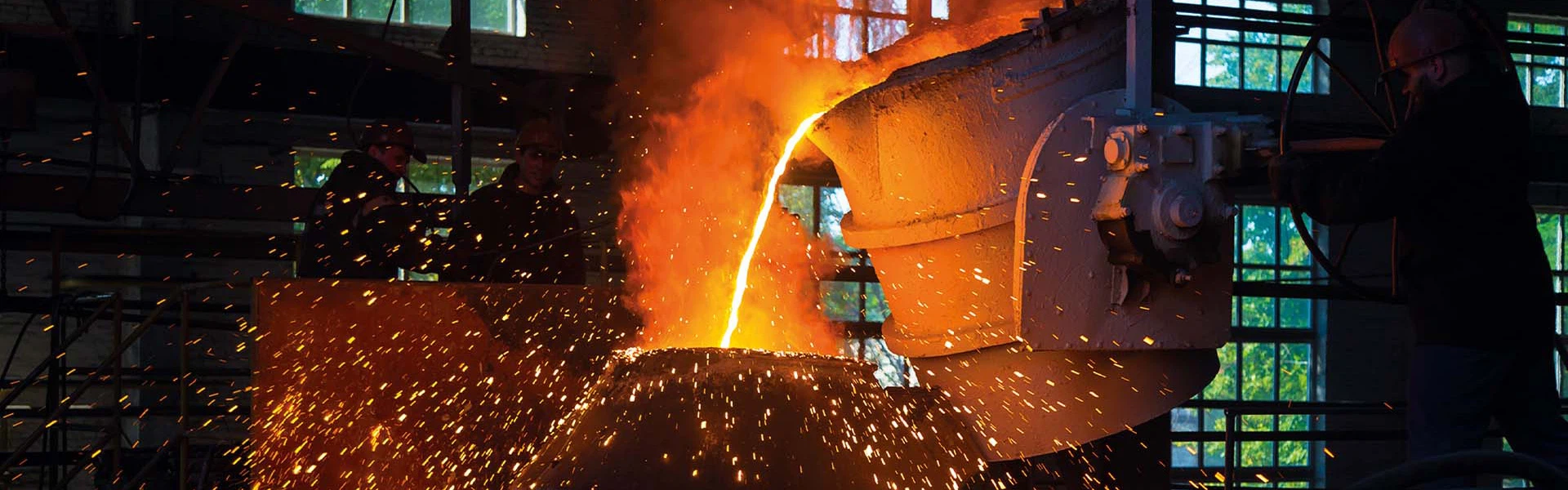
You may find such a phenomenon that the traditional industrial furnace walls built with refractory bricks have very slow heating and cooling speeds, and there is a certain inertia or inertia. This is because the density of the masonry materials is too high and the heat storage is large. formed. So what impact does this performance have on the furnace body?
Influence of Thermal Inertness on Furnace Wall
Regardless of the heating furnace of any process, its furnace wall heat loss is the sum of the furnace wall heat dissipation loss and the furnace wall heat storage loss.
Among them, the heat treatment furnace is mainly heat storage loss, and the continuous heating furnace is mainly heat dissipation loss. Whether it is heat storage loss or heat dissipation loss, it is determined by the heat storage (that is, thermal inertia) of the masonry material.
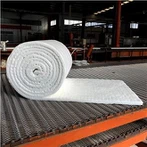
Ceramic fiber lining vs Refractory brick lining
Taking the wall made of refractory bricks as an example, the density of refractory bricks is about 2.1~2.8g/cm3, and the heat storage capacity is large. When the furnace wall is built with refractory bricks, it takes 70 minutes for the furnace temperature to rise from 1200°C to 1270°C.
Under the same heating conditions, it only takes 10 minutes for the furnace temperature to rise from 1200°C to 1270°C for the wall of the lightweight ceramic fiber furnace lining.
The furnace wall lined with ceramic fiber boards saves 1 hour of heating time compared with the furnace wall made of refractory bricks, which means that it saves 1 hour of fuel supply. And while saving fuel, the temperature of the outer wall is still lower than that of the refractory brick furnace wall.
Energy saving, improvement of ambient temperature and better temperature control are the value of ceramic fiber lining.