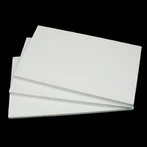


Ceramic fiber boards play a critical role as high-temperature insulation in industrial kilns, heat treatment systems, and hot gas pipelines. But what goes into producing them? Below is a refreshed look at the key stages of a modern ceramic fiber board production line.
1. Raw Material Melting and Fiberization
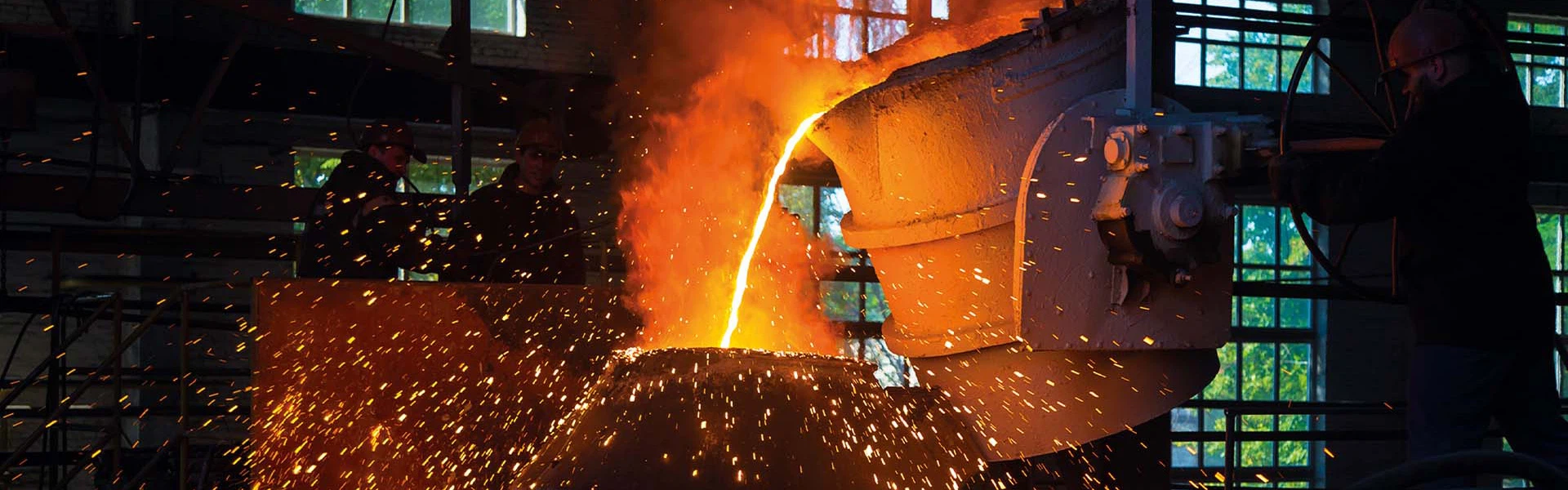
The process begins with raw material melting and fiberization. High-purity alumina-silicate materials are melted in electric or gas-fired furnaces, then converted into fine, entangled ceramic fibers through blowing or spinning techniques.
2. Forming and Binder Integration
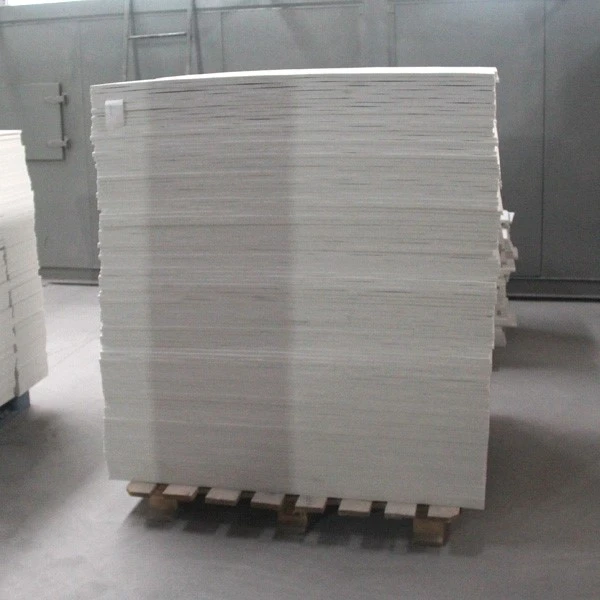
From there, the fibers are transferred to the forming section, where they are blended with specialized inorganic binders. Using precise, controlled steps-wet vacuum forming, shaping, pressing, and drying-the fiber-binder mixture is transformed into ceramic fiber boards with consistent density and dimensional accuracy.
3. Automation and Customization Capabilities
Today's production lines typically feature automated batching systems, smart temperature controls, and continuous dryers. These upgrades boost output and product uniformity while cutting labor and energy costs. Advanced lines can also tailor board density, thickness, and strength to meet specific customer specifications, enabling more flexible manufacturing.
Overall, the growing emphasis on automation, environmental performance, and digital process control is pushing the high-temperature insulation sector toward greater efficiency, higher quality, and lower emissions-offering solid support for industrial energy savings and carbon reduction efforts.