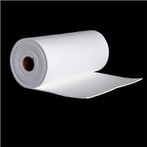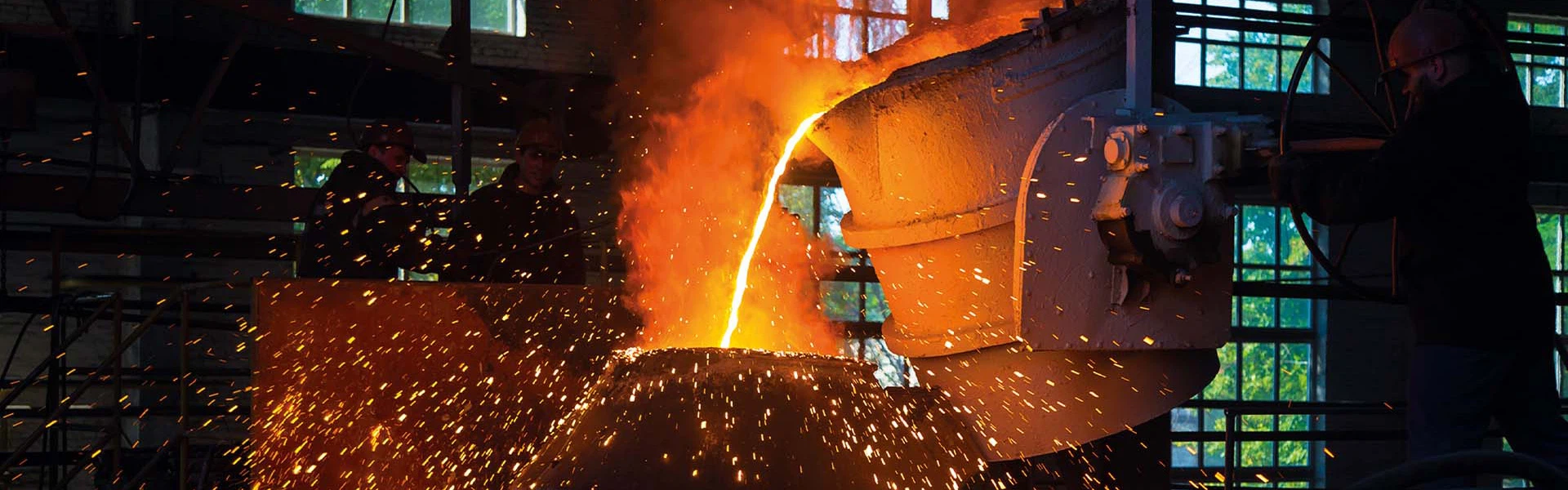


The total production capacity of ceramic fiber resistance furnace production lines in my country is about 96,500 tons, of which the consumption of metallurgical industry accounts for 25%. Due to the gradual deepening and expansion of the application of ceramic fiber in the metallurgical industry, it has been generally recognized by professionals and industry insiders.
Among them, the application technology of ceramic fiber products in metallurgical continuous casting and rolling roll hearth soaking furnaces, large walking beam heating furnaces, annular furnaces, bell heating furnaces and many other furnace types has reached the advanced level in the world. The development of craftsmanship and the renewal of traditional craftsmanship and equipment show the incomparable advantages of traditional furnace building materials.
Among the three challenges facing the development of the metallurgical industry
01
Adjust product structure
Adjusting the structure of the product requires a lot of transformation of the existing production equipment, which drives the increase in the demand for ceramic fibers;
02
Reduce energy consumption
To reduce energy consumption, it is necessary to continuously increase the application of low thermal conductivity refractory materials. The thermal conductivity of ceramic fibers is only a quarter of that of traditional heavy refractories, which makes the demand for ceramic fibers continue to rise;
03
Improve the technological content of production equipment
Improving the technological content of production equipment requires a large amount of ceramic fiber materials to improve the technological content of the kiln lining and the lightening level of the furnace body.
It is foreseeable that with the rapid development of my country's metallurgical industry, the manufacture, sales and application of ceramic fibers will usher in an unprecedented peak, and the product development and application of ceramic fibers will usher in an unprecedented peak. There will also be a greater leap in the level of application technology.