
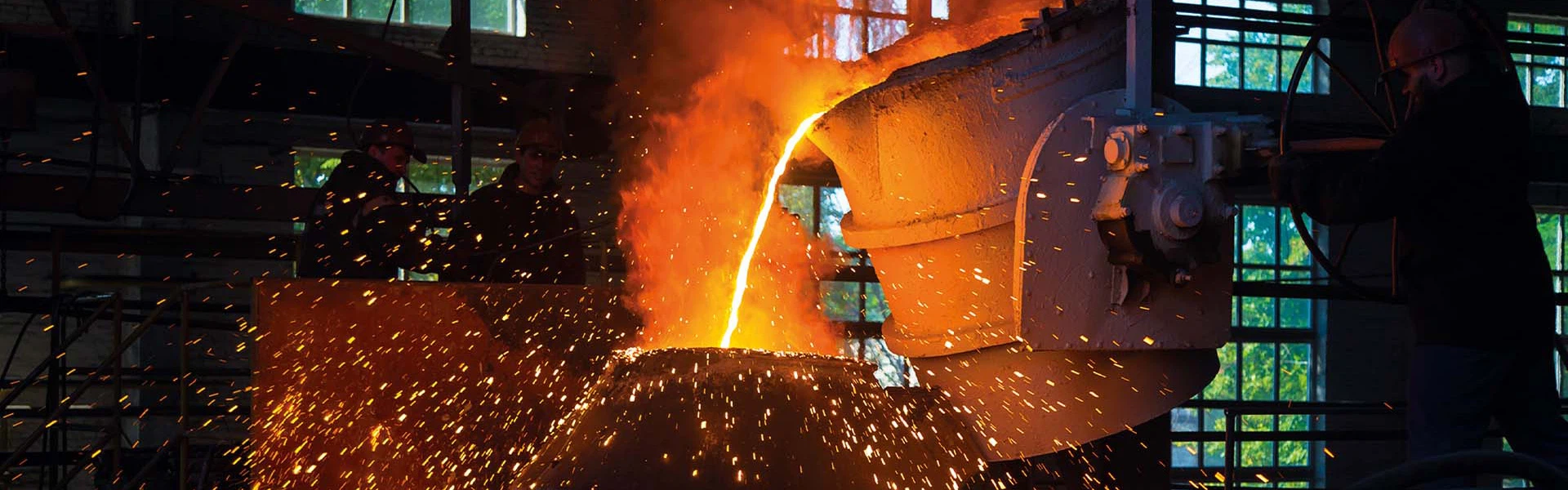


When industrial temperatures break through the 1400°C threshold, traditional materials have reached their limits. At this point, a "paper" less than 1 mm thick is becoming the key to breaking the deadlock-1600 polycrystalline alumina fiber paper is redefining "light and thin as paper, yet indestructible."
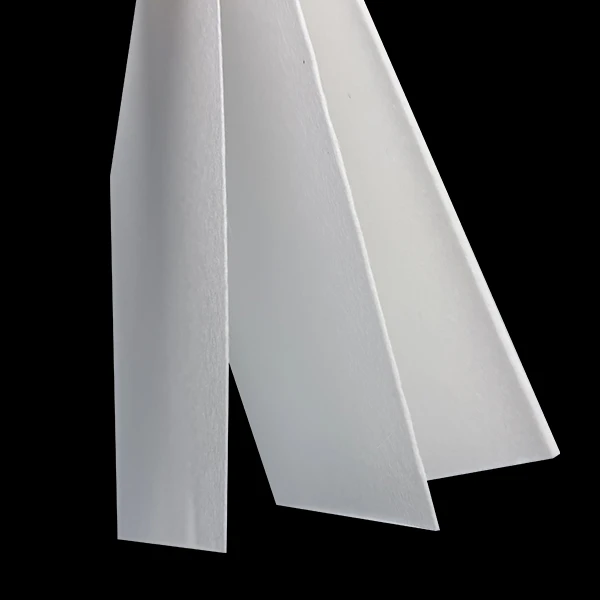
I. More than "paper": a "technological film" that conquers extreme temperatures
This is by no means ordinary paper, but a high-performance flexible thermal insulation body made from high-purity alumina: a temperature subverter; it can withstand 1400°C for the long term and endure even higher temperatures in the short term, greatly expanding the boundaries of application. Extremely thin and light: thickness can be adjusted between 0.3 and 5 mm, with 0.3 mm-class products especially demonstrating the essence of the technology, providing top-level protection with minimal space occupation. All-around performance: it combines ultra-low thermal conductivity, excellent insulation, high chemical stability, low heat capacity, and outstanding thermal shock resistance, with minimal performance degradation in extreme environments.
II. Core revelation: the "generational leap" brought by polycrystalline structure
Its outstanding performance stems from its unique microstructure. Unlike the "glassy" amorphous structure of ordinary ceramic fibers, it is composed of countless tiny α-alumina grains. A more stable framework: this crystalline structure undergoes almost no crystallization, creep, or shrinkage at high temperatures, fundamentally solving the industry pain point of material pulverization and embrittlement after long-term high-temperature use. A purer composition: alumina content ≥99%, with very few impurities, avoiding performance deterioration caused by impurity reactions at high temperatures. Result comparison: in the harsh environment of 1400°C, ordinary ceramic fiber paper may already have severely sintered and failed, while polycrystalline alumina fiber paper can still maintain flexibility and structural integrity, with service life extended several times over.
III. Peak performance matched to top-tier applications
It precisely serves industries with extreme requirements for reliability and precision:
Semiconductor and photovoltaic manufacturing: in ultra-clean, high-temperature processes such as chip melt packaging and photovoltaic monocrystalline furnaces, it serves as a key thermal insulation lining, and its zero-pollution, non-volatile characteristics are crucial.
Aerospace and cutting-edge scientific research: used for rocket engine thermal insulation and hypersonic vehicle thermal protection testing, it is a reliable barrier against extreme thermal shock.
New energy and high-end manufacturing: as thermal insulation components for high-temperature fuel cells (SOFC) and extreme safety testing of lithium batteries, as well as an ideal lining for ultra-high-temperature vacuum sintering furnaces.
Safety and emergency response: it can be made into the core thermal insulation layer of top-grade fire shutters and escape blankets.
IV. How to select the right material for cutting-edge equipment?
Faced with high costs and strict requirements, precise selection is key: clarify the temperature curve; confirm whether it is for long-term use at 1400°C or short-term exposure to higher peaks. This directly affects the life-cycle budget. Pay attention to form and processing: choose standard rolls or custom die-cut parts according to needs; its excellent machinability supports complex designs. Examine comprehensive performance: in addition to temperature resistance, its thermal conductivity, tensile strength, resistance to airflow erosion, and other factors must be evaluated in combination with working conditions.


