
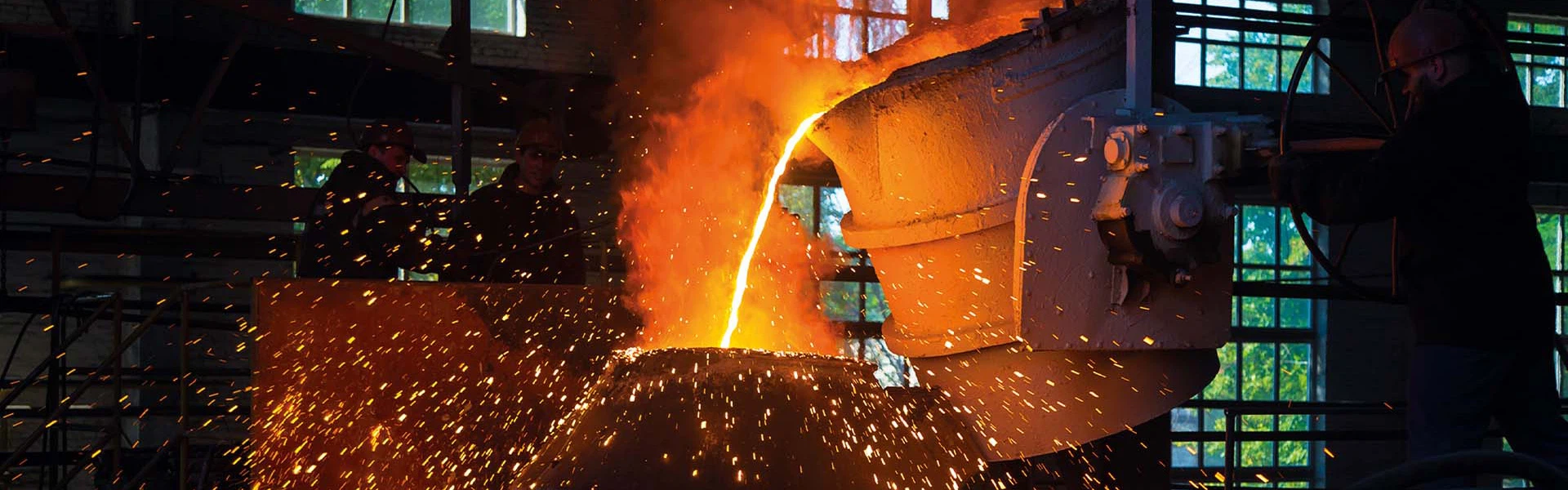


Thicker refractory brick linings are often thought of as a means of enhancing thermal insulation in industrial kilns and other high-temperature machinery. However, more thickness does not always translate into better outcomes. Wall thickness is not the sole element affecting insulation performance, even though it has an impact on heat transmission. Additionally, too much thickness might make the equipment heavier, take longer to heat, and use more energy.
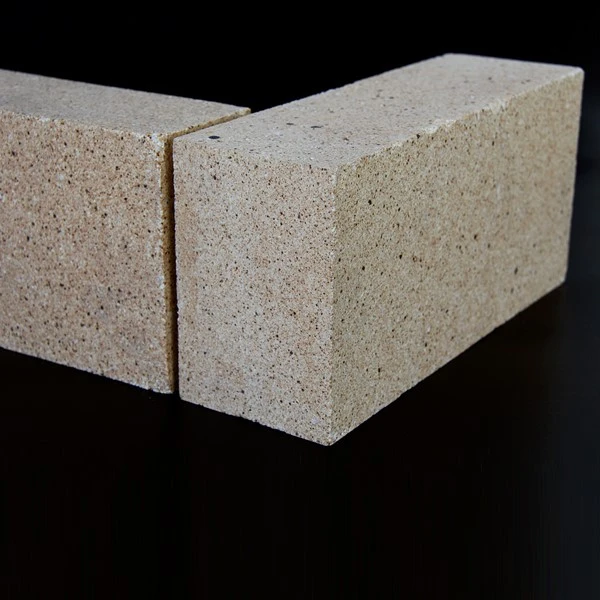
1. Better Insulation Doesn't Always Equate to Greater Thickness
The primary purposes of refractory bricks are to preserve the furnace construction, endure high temperatures, and support mechanical loads. Although a thicker lining extends the channel for heat transmission, internal structure, bulk density, thermal conductivity, and operational temperature all affect how well an insulation system performs overall.
Increasing the lining thickness by itself could not result in the anticipated energy savings when bricks with reasonably high thermal conductivity are used. A larger brick lining may also hold more heat for industrial furnaces that run constantly, requiring more energy for heating and starting.
2. The Correct Material Combination Is Important
The insulating system of an industrial furnace typically consists of many layers of refractory bricks. The equipment structure, heat load, and operating temperature must all be taken into consideration in its design. Low-thermal-conductivity insulating materials assist in reducing heat loss through the furnace walls, while refractory bricks provide structural stability and heat resistance.
Refractory bricks combined with SUNTHERM Thermal Insulation Ceramic Fiber Blanket or Ceramic Fiber Board may enhance the overall insulation structure when strength and temperature requirements permit. This method lessens the need to just thicken bricks.
3. Select Materials Considering Real-World Operating Conditions
There is more to choosing insulation and refractory materials than just looking at their temperature ratings. Long-term shrinkage, mechanical strength, thermal shock resistance, operating temperature, and thermal conductivity must all be taken into account. The equipment design and operating circumstances will determine the best material combination.
Building the thickest refractory brick wall is ultimately not the goal of good furnace insulation. It involves selecting a suitable lining thickness and blending materials in accordance with real-world operational requirements. A well-designed insulation system may balance long-term expenses and operational efficiency while assisting in maintaining thermal performance.


