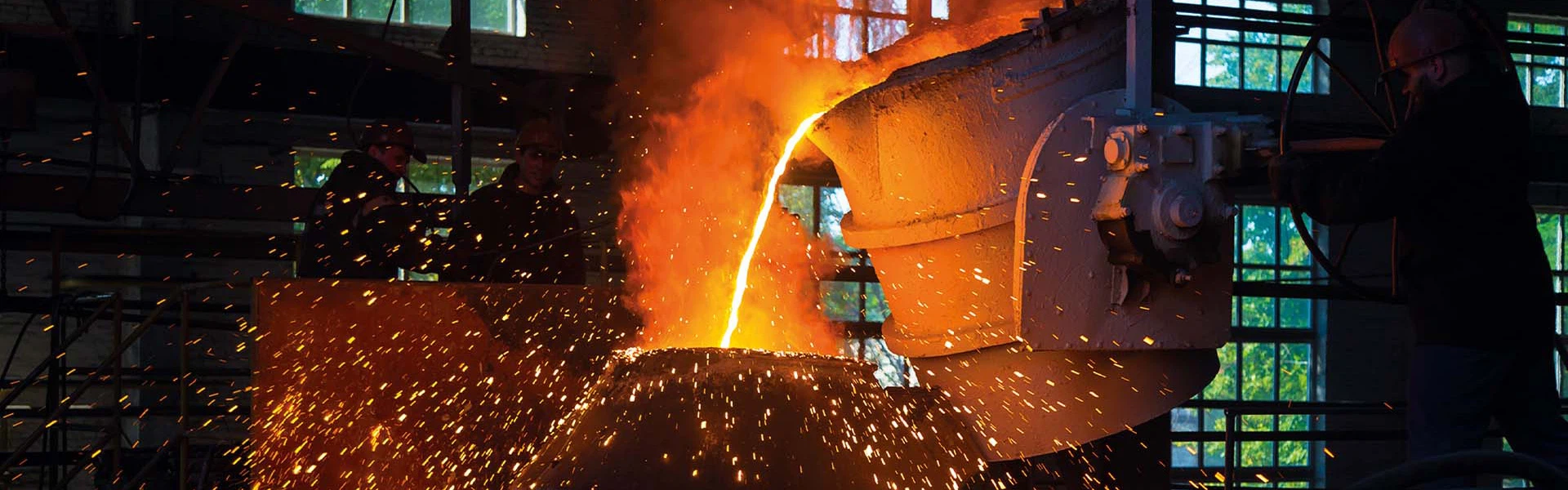


In Europe, the evolution of rock wool production lines stands as a paragon of industrial maturity, with production technologies and equipment standards reaching unparalleled heights. This advancement is deeply rooted in decades of research and development, driven by stringent regulatory frameworks that prioritize both performance and sustainability. The Nordic countries, in particular, serve as a hub for innovation, their frigid climates necessitating superior thermal insulation solutions. Here, rock wool production lines are not merely manufacturing facilities but integral components of national energy strategies, with output tailored to meet the demands of residential, commercial, and industrial construction. Denmark, Sweden, and Norway, for instance, have pioneered automated production systems that minimize waste while maximizing thermal efficiency, ensuring their rock wool products achieve U-values that exceed EU mandates.

Equally pivotal to Europe's leadership is its uncompromising focus on fire resistance. The region's strict building codes, forged in response to historical fire tragedies, require rock wool to withstand extreme temperatures for extended periods, often exceeding two hours of fire exposure. This demand has spurred innovations in raw material processing-such as precise control of basalt and dolomite ratios-and advanced cooling systems, enabling European manufacturers to produce rock wool with exceptional fire-retardant properties. Consequently, these production lines not only serve domestic markets but also export high-performance products globally, setting industry benchmarks.
In North America, the rock wool production sector has experienced rapid growth, fueled by escalating concerns over energy efficiency and environmental sustainability. The United States, in particular, has seen a surge in demand, driven by updated building codes-such as the International Energy Conservation Code (IECC)-that mandate stricter insulation standards. This regulatory push has prompted significant investments in production line upgrades, with manufacturers adopting cutting-edge technologies to enhance productivity and product quality. For example, automated fiberization processes now allow for finer, more uniform fiber distribution, improving insulation efficiency while reducing material waste. Additionally, advancements in binder technologies-using bio-based or low-VOC (volatile organic compound) alternatives-have aligned production lines with North America's growing emphasis on eco-friendly construction materials.
Canadian producers, too, have played a vital role in this expansion, leveraging access to abundant raw materials like basalt and diabase to establish cost-effective production lines. Cross-border collaboration between U.S. and Canadian firms has further accelerated innovation, with shared research initiatives focusing on optimizing energy use in production-such as integrating renewable energy sources like solar and wind into manufacturing processes. These efforts have not only boosted regional production capacity but also positioned North American rock wool products as competitive alternatives to traditional insulation materials in both domestic and international markets.
Asia's rock wool production landscape is marked by explosive growth, with China emerging as a global powerhouse. Over the past two decades, China has invested heavily in scaling up production lines, driven by rapid urbanization, infrastructure development, and increasingly stringent energy efficiency regulations. Today, Chinese manufacturers operate some of the world's largest and most technologically advanced rock wool production facilities, capable of producing millions of tons annually. These lines incorporate state-of-the-art automation, from raw material crushing to fiber spinning and curing, ensuring consistent quality while meeting the demands of massive construction projects-including high-rise buildings, airports, and industrial complexes.
Beyond China, emerging markets in India and Southeast Asia are witnessing a gradual but steady expansion of rock wool production lines. In India, the government's "Housing for All" initiative and growing awareness of green building practices have fueled demand for energy-efficient insulation, prompting both domestic and international firms to invest in local production. Similarly, countries like Vietnam, Thailand, and Malaysia are seeing increased adoption of rock wool in construction, driven by rising disposable incomes and stricter environmental regulations. While these regions' production lines are still developing, they benefit from technological transfers from European and Chinese manufacturers, enabling them to leapfrog older technologies and adopt more sustainable practices from the outset.
In general, with the continuous improvement of global requirements for building energy conservation and environmental protection, the market demand for rock wool production lines will continue to increase. At the same time, with the continuous innovation of production technology and the continuous upgrading of equipment, the production efficiency and product quality of rock wool production lines will continue to improve, making greater contributions to global building energy conservation and environmental protection.