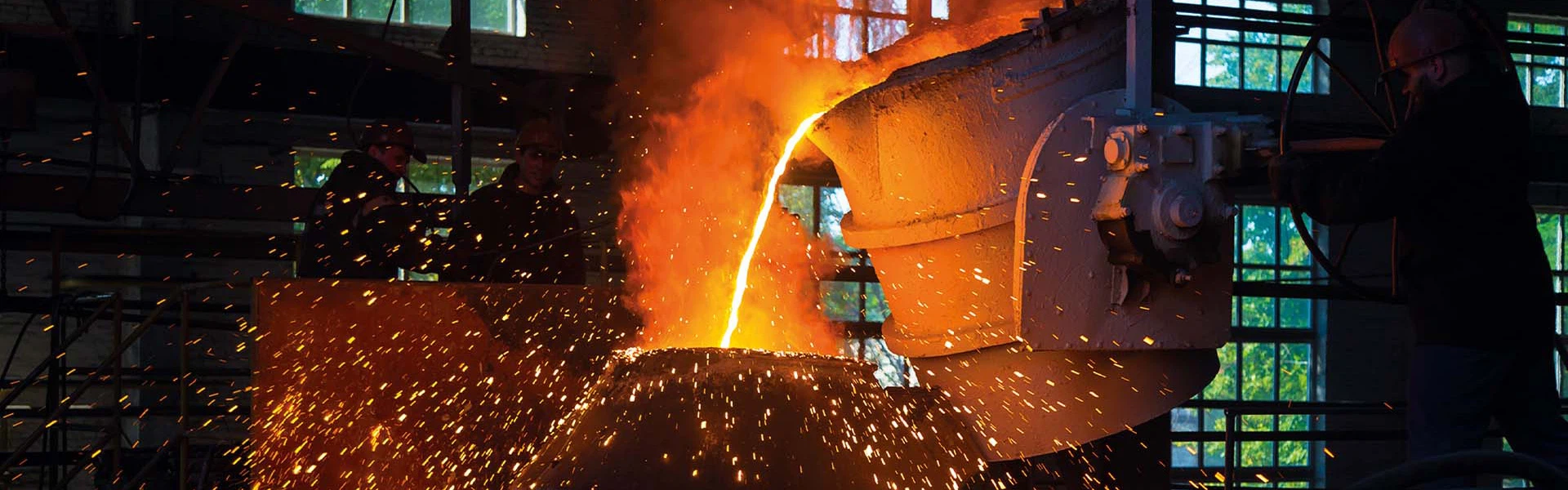


In today's industrial landscape, where energy efficiency and environmentally friendly production are increasingly emphasized, a high-performance insulation material known as the ceramic fiber blanket is rapidly becoming an indispensable solution in high-temperature industries. With its excellent high-temperature resistance, remarkable energy-saving performance, and eco-friendly characteristics, ceramic fiber blankets are gradually replacing traditional asbestos products and taking a leading role in thermal insulation applications across industries such as steel, petrochemicals, and power generation.

Core Advantages: Integrating Refractoriness, Thermal Insulation, and Heat Preservation
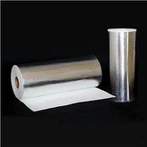
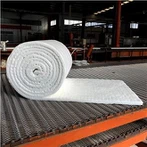
Ceramic fiber blanket, also known as aluminum silicate fiber blanket, is a lightweight refractory material characterized by its white appearance and uniform dimensions. Its most notable feature is the integration of fire resistance, thermal insulation, and heat preservation in a single material.
These outstanding properties are derived from advanced manufacturing processes-particularly double-sided needle-punching technology, which significantly enhances the interlocking of fibers. This process not only improves resistance to delamination and increases tensile strength but also ensures a smooth surface finish, allowing the material to maintain excellent workability and structural stability under various operating conditions.
Compared with traditional insulation materials such as insulating bricks, ceramic fiber blankets provide superior thermal insulation performance, effectively reducing heat loss and significantly lowering energy consumption. Data indicates that their energy-saving efficiency can reach 1.2 times that of conventional insulation materials of the same category.
More importantly, the product contains no organic binders during production or use, and it is completely free of harmful components such as asbestos. When used continuously at temperatures around 1000 °C, its thermal conductivity is only one-fifth that of clay bricks, while its heat capacity is much lower. These characteristics make it an ideal material for industrial furnace linings and high-temperature pipeline energy-saving upgrades.
Product Categories: Two Major Types for Diverse Applications
To meet the specific requirements of different industrial environments, ceramic fiber blankets are mainly classified into two major types based on their manufacturing processes: spun blankets and blown blankets. Each has distinct characteristics and complementary advantages.
Spun Blanket: A Reliable Choice for High-Strength Applications
Spun ceramic fiber blankets are produced using the spinning process, resulting in fibers that are relatively thicker and longer. This physical structure enhances the bonding strength between fibers, giving spun blankets outstanding tensile strength and flexural resistance.
As a result, they are particularly suitable for insulation environments that require higher mechanical strength, such as industrial furnace linings exposed to airflow erosion or mechanical vibration, as well as external insulation layers of high-temperature equipment.
Blown Blanket: The Performance Leader in Extreme Insulation
In contrast, fibers produced through the blowing process are much finer. The finer the fibers, the higher the porosity inside the material, which restricts air convection more effectively and results in lower thermal conductivity.
Although blown blankets have slightly lower tear resistance compared with spun blankets, their thermal insulation performance is superior. Therefore, in applications where mechanical strength is less critical but maximum insulation performance is required-such as thermal layers in precision instruments and insulation barriers in household appliances-blown blankets are the preferred choice.
Industry Outlook: A Future of Green and Efficient Development
As global industries continue to transition toward green and low-carbon development, the demand for high-efficiency insulation materials will continue to grow. With advantages such as a wide operating temperature range (900–1500 °C), excellent chemical stability, and the ability to maintain a stable fiber structure in neutral and oxidizing atmospheres, ceramic fiber blankets are entering a period of unprecedented growth.
Industry experts suggest that future development will focus on more refined and differentiated performance improvements. On one hand, technological innovation will further enhance the toughness of spun blankets and the thermal insulation limits of blown blankets. On the other hand, researchers are exploring their potential applications in emerging fields such as new energy technologies and aerospace.
As an ideal replacement for asbestos products, ceramic fiber blankets offer an excellent balance of cost-effectiveness and environmental safety, contributing significantly to the construction of a more efficient, safer, and sustainable modern industrial system.
Conclusion
From high-strength industrial furnaces to precision thermal barriers, ceramic fiber blankets are reshaping the future of high-temperature insulation technology with their balanced combination of strength and flexibility. They represent not only an advancement in materials science but also a vivid example of how industrial production is moving toward greater efficiency and environmental sustainability.