
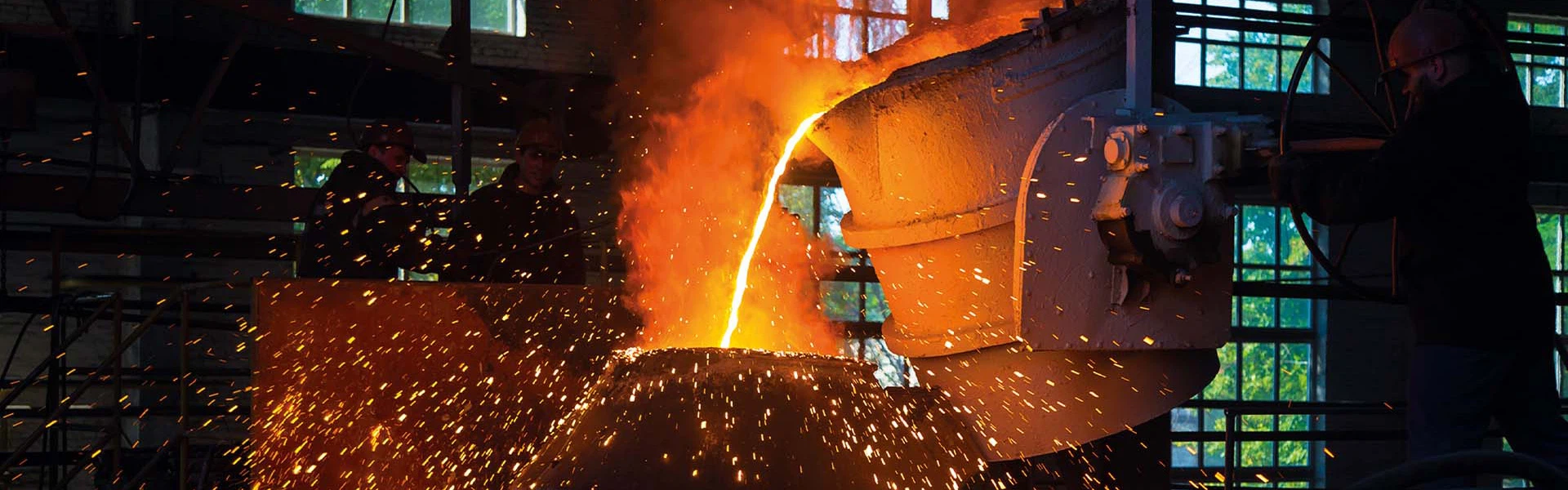


Ceramic fiber cotton, as a high-performance high-temperature insulation and refractory material, has broken the application limitations of traditional insulation materials due to its core advantages such as light weight, high temperature resistance, thermal insulation, flame retardancy, noise reduction, and corrosion resistance. It is widely used in metallurgy, chemical engineering, construction, new energy, and other industries, becoming a preferred material for both high-temperature working conditions and conventional insulation scenarios. Its value in diverse applications is increasingly recognized across industries.
The industrial furnace sector is the core application field of ceramic fiber cotton. In high-temperature furnaces such as coke ovens, glass kilns, and metallurgical furnaces, ceramic fiber cotton can be directly used for insulation of furnace walls, roofs, and doors. With a long-term temperature resistance of over 1200°C, it effectively blocks heat transfer, reduces heat loss, decreases furnace weight, lowers energy consumption, and extends the service life of furnaces. In addition, in the insulation and protection of boilers and flues, its excellent flexibility and vibration resistance allow it to adapt to complex pipeline structures and prevent high-temperature flue gas from damaging equipment.
In the construction field, ceramic fiber cotton is mainly used for insulation, fire protection, and noise reduction in high-end buildings. In industrial plants and high-rise buildings, it can be applied to exterior walls, roofs, and interior partitions to achieve both energy-saving insulation and fire-resistant performance. With a Class A fire rating, it significantly improves building fire safety. In places with high soundproofing requirements, such as theaters and equipment rooms, its fiber structure effectively absorbs sound waves, reduces environmental noise, and improves spatial comfort.
In addition, ceramic fiber cotton is also widely used in specialized fields such as new energy and aerospace. In new energy battery production, it is used for insulation in high-temperature sintering equipment. In the aerospace sector, it is suitable for the protection and insulation of high-temperature components. Meanwhile, its cuttable and easy-to-install characteristics allow customized processing according to different size and operating condition requirements, further expanding its application scope.
In conclusion, with its outstanding comprehensive performance, ceramic fiber cotton has achieved multi-scenario applications ranging from industrial high-temperature environments to civil construction. It not only meets the needs of insulation, fire protection, and noise reduction in different sectors but also helps industries achieve energy savings and green transformation, demonstrating significant application value and strong development potential.


