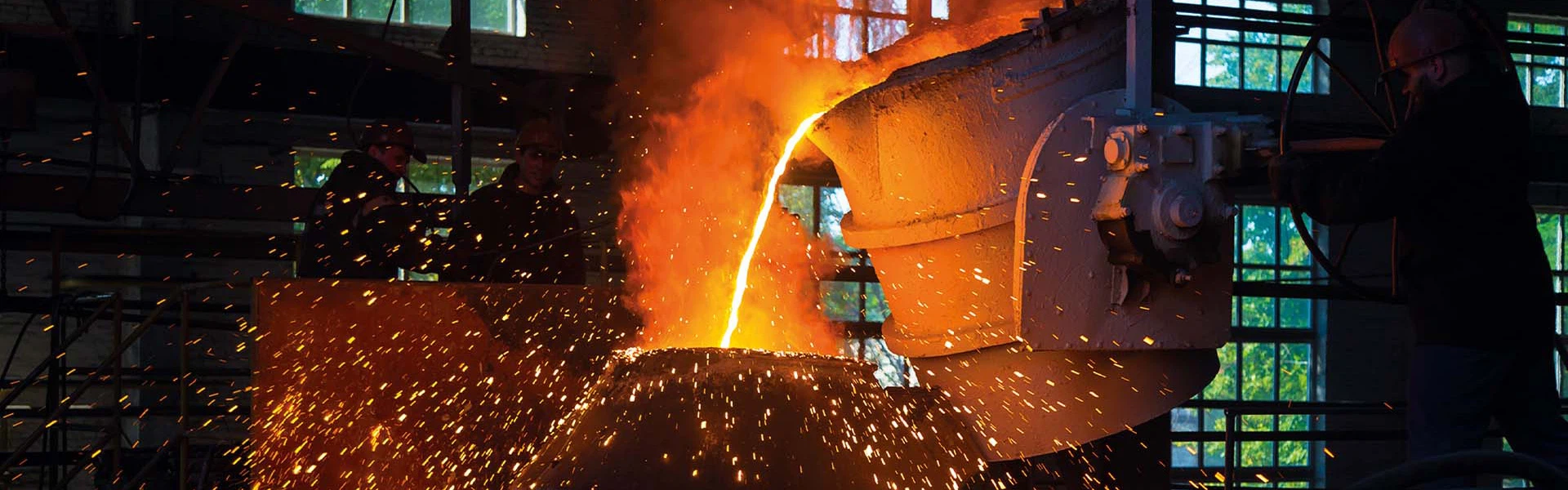


Refractory materials, the unsung backbone of high-temperature industrial operations, rely on a highly intricate manufacturing process that commences with the meticulous selection and strategic blending of raw materials to deliver the exact chemical composition and physical properties tailored to specific industrial demands. Unlike conventional construction or industrial materials, refractories must withstand extreme thermal, chemical, and mechanical stress, so the initial raw material phase is far from arbitrary. Common raw materials include high-purity bauxite for alumina-rich refractories, magnesite for magnesia-based linings, silica sand for acidic refractories, and graphite for carbon-bonded variants, each chosen for its unique inherent traits-such as high melting points, chemical inertness, or structural rigidity. Engineers and material scientists must not only source materials with consistent purity (free from detrimental impurities like iron oxide that can weaken heat resistance) but also optimize their particle size distribution and mineral composition, as even minor deviations in raw material quality can compromise the final product's performance.

Once suitable raw materials are procured, the manufacturing process unfolds in a series of tightly controlled steps that demand unwavering precision and deep material expertise. First, raw materials undergo crushing and grinding to achieve uniform particle sizes, a critical step for ensuring homogeneous mixing and structural integrity in the finished product. Next, the ground materials are blended in exact proportions: for example, a refractory designed for steelmaking converters might combine bauxite with calcium aluminate cement to boost slag resistance, while a cement kiln refractory could incorporate zirconia to enhance thermal stability. The mixture is then shaped via pressing, casting, or extrusion, depending on the desired form (bricks, castables, or monolithic linings), before undergoing a low-temperature drying phase to remove moisture that could cause cracking during firing. The final and most pivotal stage is high-temperature sintering in specialized kilns, where the material is heated to 1,500–2,000°C to trigger ceramic bonding, densify the structure, and lock in the targeted physical properties-from porosity to compressive strength. This entire workflow hinges on both state-of-the-art precision equipment and the technical acumen of specialists who understand how each material interacts under extreme processing conditions.
Beyond their rigorous manufacturing requirements, refractory products play an irreplaceable role across a spectrum of high-temperature manufacturing industries, with two core functions standing out as mission-critical. First, their exceptional thermal insulation capabilities form a protective barrier between the searing interior of kilns, furnaces, and reactors and the external steel or concrete shell. In a cement rotary kiln, for instance, refractory linings can reduce shell surface temperatures from over 1,000°C to below 200°C, preventing structural deformation of the kiln, extending the lifespan of the equipment, and cutting down on energy waste from heat leakage. Second, their robust resistance to thermal shock shields against damage caused by abrupt temperature fluctuations-a common hazard in industries like glass manufacturing, where furnaces are repeatedly heated to 1,600°C and cooled during maintenance cycles. Without this property, refractory linings would crack or shatter under thermal stress, leading to costly unplanned shutdowns, increased safety risks from molten material leaks, and disrupted production schedules. For high-stakes industrial environments, these dual functions not only safeguard equipment and personnel but also underpin the overall efficiency and profitability of manufacturing operations, solidifying refractories as a non-negotiable component of modern high-temperature production.