
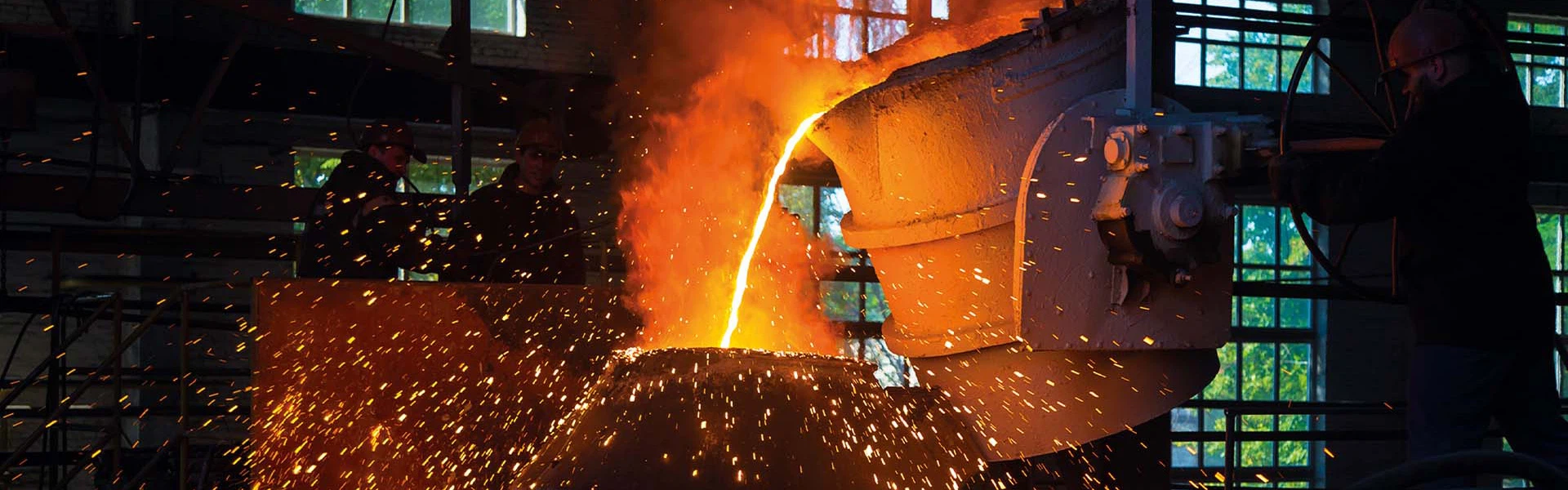


First, a certain amount of basalt slag is placed in a high melting furnace for full melting treatment to change the physical structure of natural ore and create the structural foundation of rock wool board.

Then, a high-speed centrifugal machine is used to process the melted slag to gradually form filamentous substances, which will slowly rotate and fit together to form inorganic cotton, and then make rock wool after process treatment.
Next, the shape of the newly produced inorganic cotton is not fixed, and a high-speed blower is needed to use wind to take away the heat on the surface of the inorganic cotton, making it easier to shape.
After the inorganic cotton is shaped, a high-efficiency binder is sprayed on its surface again to make its shape more fixed.
After that, the pendulum method is used to repeatedly increase the pressure of the inorganic cotton, so that the hardness and density of the inorganic cotton continue to increase.
Next, the rock wool material with higher density is dried at high temperature to evaporate the moisture inside the structure.
Finally, the rock wool board is cut to complete the entire production process.
The above process may vary depending on the specific production equipment and process, but the overall process is roughly the same. The main features of the rock wool production line include reliable operation, long service life, low energy consumption, waste edge recycling and highly automated operation.


