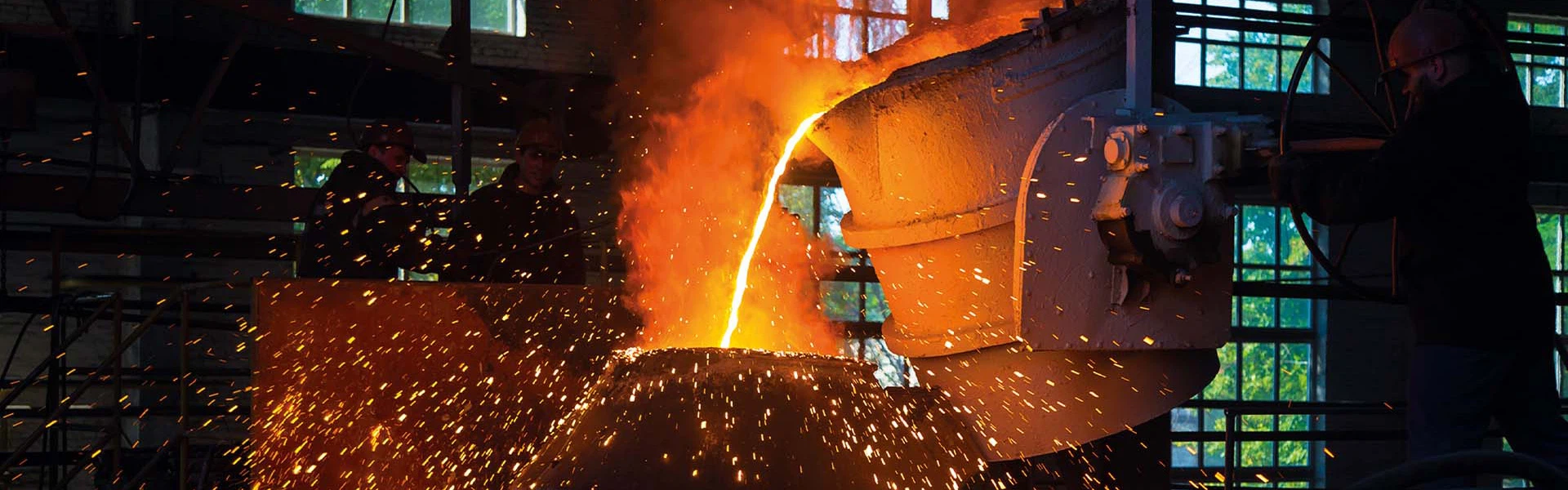


The production process adopts high-temperature melting method, which is to form the lava liquid at a temperature of nearly 2000 degrees into a solid in a few seconds. The microstructure of the solid formed under this quenching condition is quite different from that of the solid before the melting of the raw materials.
Due to the rapid solidification of high-temperature liquid, the cooling rate is much faster than the yard diffusion rate in the microstructure of the object, so there are no conditions for the process of lattice formation and arrangement, so that the microstructure in the object forms an unstable structure, that is, the object is in a metastable state. This metastable state object keeps a certain potential energy. Under certain conditions (for example, when the temperature rises, it creates conditions for atomic diffusion), it will release its internal energy and transform into a stable organizational structure. The first step of the transformation is that atoms begin to rearrange in the glassy phase, that is, crystallization or crystallization.
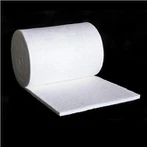
According to the content of alumina and the third component material added to inhibit crystallization at high temperature, ceramic fiber board can be divided into five categories: ordinary ceramic fiber board, standard ceramic fiber board, high purity ceramic fiber board, high alumina ceramic fiber board and zirconium-containing ceramic fiber board (chromium-containing ceramic fiber).

www.suntherm-industry.com