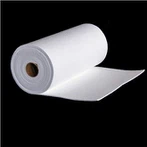


The internal heat transfer process of the ceramic fiber lining is very complicated. Due to the high porosity of the material itself, the ceramic fiber module has the characteristics of low thermal conductivity and low heat storage. The thermal conductivity of air and most gases is very low, which also The characteristics of the porous refractory fibers are determined. Once in the furnace for special purposes, the atmosphere such as the reducing property of the furnace gas changes greatly, and the thermal conductivity of the refractory ceramic fibers will also change.
The ceramic fiber module furnace wall is perpendicular to the inner surface of the high temperature surface. The heat transfer process is mainly based on convection and radiation. As the distance from the inner surface increases and the temperature difference gradually decreases, the convection and radiation are blocked, and the energy is also attenuated. At this time, the heat transfer in the furnace wall is mainly based on conduction. For the furnace wall that is mainly conductive, if the porosity is large, the thermal insulation effect is the best. Therefore, the thickness of the furnace wall, the selection of the composite layer and the material properties of each layer must first be based on the furnace temperature. For the insulation effect of the furnace, thermal insulation is very important.
Adiabatic is the maximum resistance to the transfer of heat flow, that is, the thermal insulation material must have a small thermal conductivity, heat transfer coefficient and radiation heat transfer coefficient, that is, this material must have a high thermal resistance. This is determined by the following aspects:
1) The structure of the material;
2) Apparent density;
3) The size and characteristics of the pores;
4) Humidity;
5) Heat flow direction;
6) Temperature, etc.