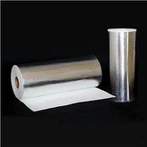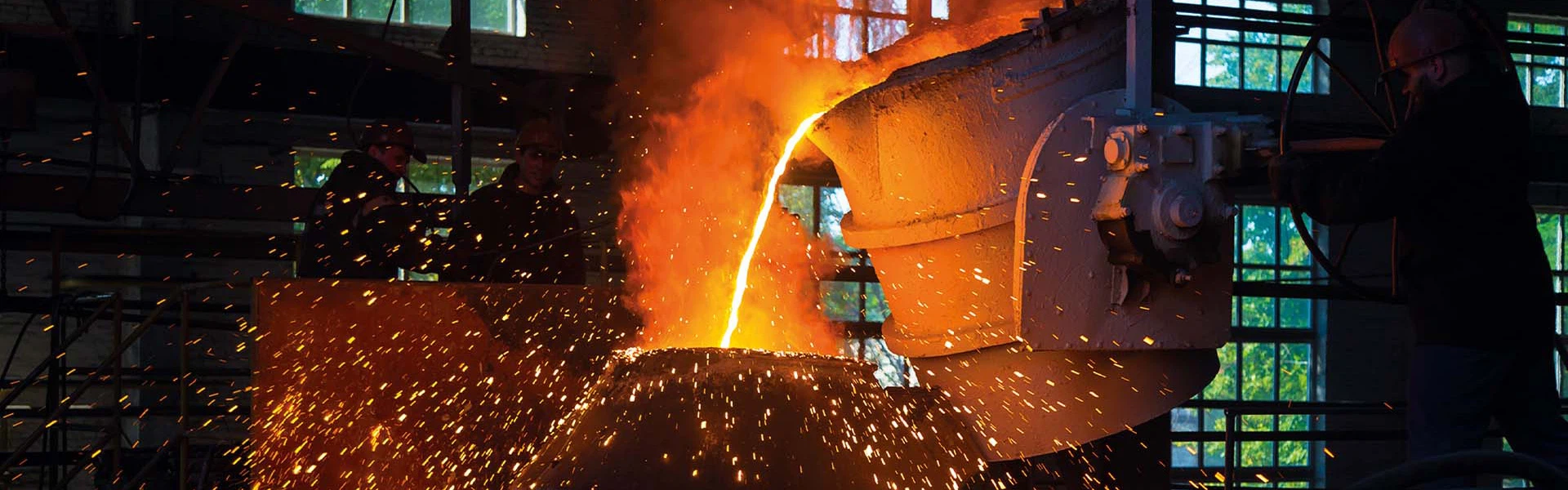


As a widely used refractory insulation material, ceramic fiber modules have become synonymous with lightweight and energy-saving refractory materials. Due to its stable performance, high refractoriness, low thermal conductivity, and low cost, it can be applied to almost all rigid or curved high-temperature equipment insulation, and the application environment is not strict. However, the ceramic fiber module is not suitable for the following working conditions:
1. Wind speed>40m/s, high temperature environment with hot air circulation
This is because the ceramic fiber module is made of interwoven fiber filaments, with low density, insufficient hardness and tensile strength. The continuous strong wind speed will easily cause the surface fiber to peel off, thus affecting the entire insulation layer;
2. High-temperature furnace with high friction
The ceramic fiber module is a flexible refractory material with insufficient toughness, severe wear in a frictional environment for a long time, and the lining falling off will cause serious irreversible damage to the furnace body;
3. Strong acid high temperature furnace
Long-term exposure to a strong acid environment will severely corrode the ceramic fiber module, accelerate the damage of the furnace lining, and affect the operation of the equipment;
4. High temperature environment with high humidity and humidity
Ceramic fiber is not afraid of fire, but its nemesis is water. Once wetted by water vapor, the ceramic fiber module will become a good heat conductor. Once the heat is transferred to the furnace steel plate, the consequences will be disastrous.
www.suntherm-industry.com