
1. The usage effect is different.
The rock wool body does not contain free sulfur, and the slag ball content is much lower than that of mineral wool. However, rock wool products mostly use hydrophobic resin as a binder. The resin has a high degree of curing, so the moisture absorption rate is low and the water resistance is higher than that of mineral wool. The maximum operating temperature of mineral wool is 600~650 degrees Celsius. Generally, the fiber of the product is thicker and shorter. The maximum operating temperature of rock wool can reach 900~1000 degrees Celsius, the fiber is long, and the chemical durability is better than that of mineral wool, but the production cost of rock wool is higher than that of mineral wool.
2. The production process is different.
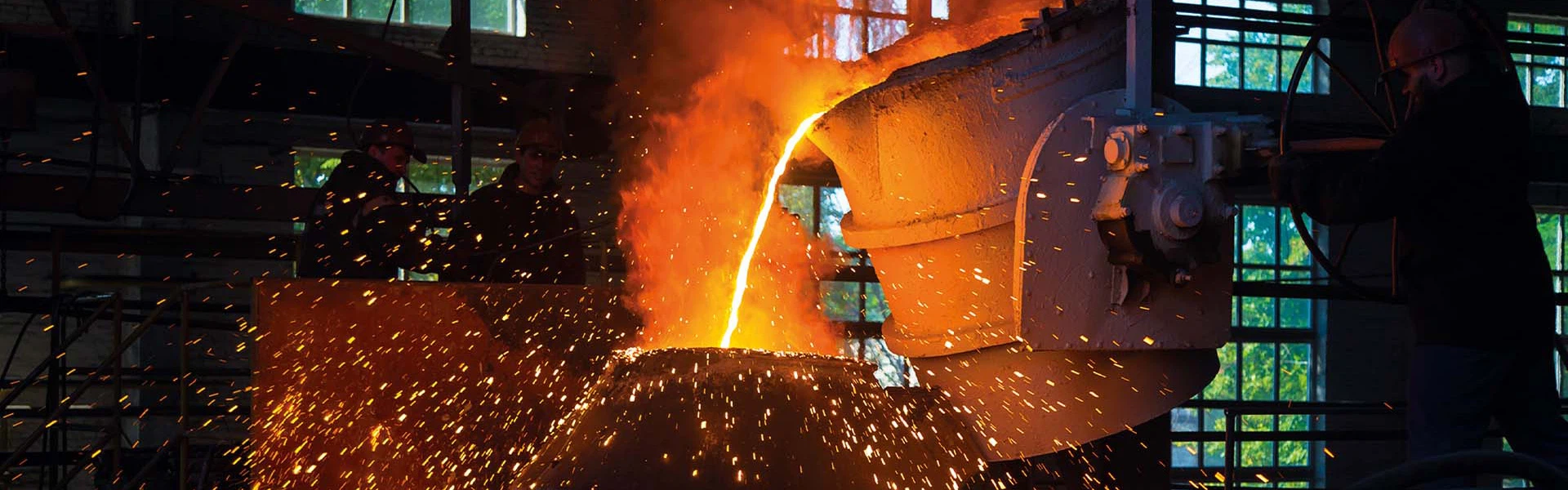
The production process of rock wool products is to directly heat ores such as basalt or diabase and a small amount of dolomite, limestone or cocoonite and other additives into a molten state at a high temperature of 1400 to 1500 degrees in a cupola furnace, and then use a four-silver centrifuge to form fibers. , at the same time, water-soluble resin or silicone and other adhesives are sprayed on the surface of the fiber, and then formed by sedimentation and pressure. Dust-proof oil can also be sprayed on the surface of the product, and then dried, veneered, stitched and cured to make various rock wool products. Mineral wool is mainly made of slag from blast furnace ironmaking, with a certain amount of limestone or dolomite and broken bricks added. It is melted in a cupola or cellar at a temperature slightly lower than the melting temperature of rock wool, and is blown or centrifuged. Method to make it fiberized, and remove the slag balls and impurities in the fiber through air separation or water.


