
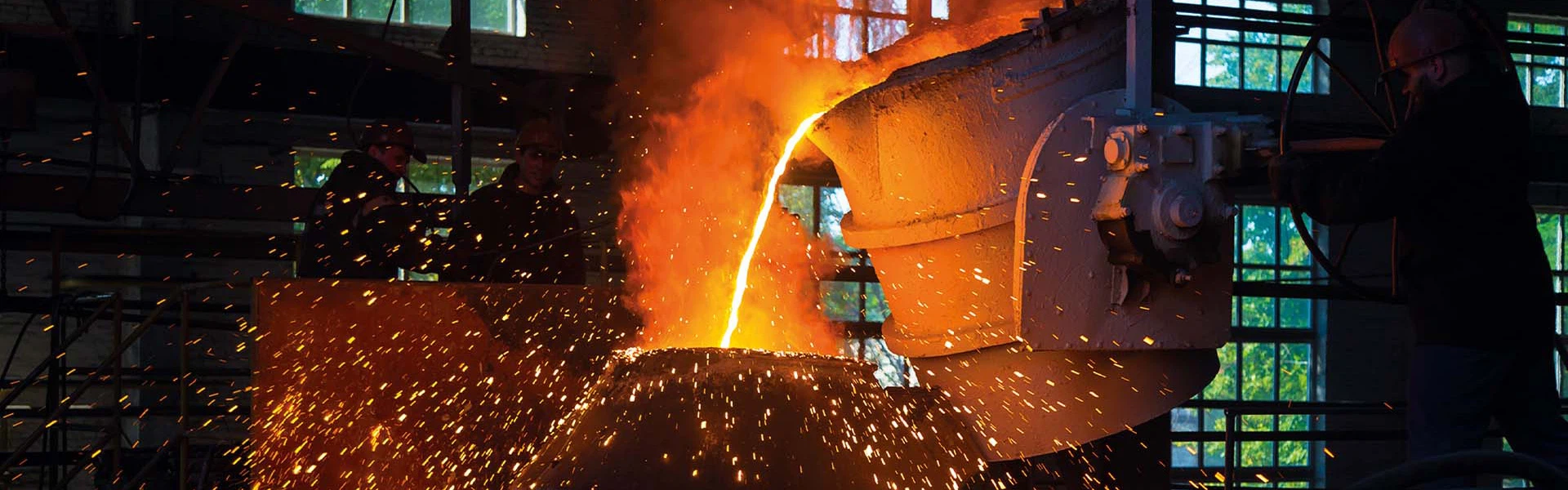
Refractory product design engineers operate at the intersection of material science and industrial application, relying heavily on the known characteristics of refractory raw materials-such as alumina content, thermal conductivity, and chemical inertness-to model product functionality and define suitable operating environments. This predictive process is foundational to industries like steelmaking, glass manufacturing, and cement production, where refractory linings act as the first line of defense against extreme temperatures, mechanical stress, and corrosive molten materials. However, real-world conditions often introduce variables that disrupt these predictions, leading to performance gaps that challenge both engineers and operations teams.
Consider a common scenario: in a steel ladle, a refractory lining designed to withstand 1,800°C thermal cycles with minimal wear may instead degrade rapidly, showing excessive erosion after just a few uses, or even catastrophic spallation-where large chunks of the material break away-when exposed to intense thermal shock. Similarly, in a glass furnace, a refractory brick formulated to resist reaction with molten silica might develop unexpected cracks, compromising the furnace's integrity and forcing unplanned shutdowns. These discrepancies between expectation and reality are not mere setbacks; they are windows into the complex, often unobservable behaviors of refractory materials under extreme stress.
The root causes of such anomalies are multifaceted. They may stem from subtle variations in raw material purity-for instance, trace impurities in alumina that alter thermal expansion rates-or from overlooked interactions between the refractory and the specific process environment, such as reactive gases in a cement kiln. Even small deviations in manufacturing, like uneven drying of refractory shapes, can create hidden weaknesses that only manifest under operational stress. These factors highlight the limitations of lab-based predictions, which cannot fully replicate the dynamic, harsh conditions of industrial use.
Yet it is precisely these unpredictable outcomes that fuel progress in refractory technology. When a refractory fails to perform as expected, engineers embark on systematic analysis: they examine fracture patterns to identify stress points, conduct chemical tests to detect unexpected reactions, and monitor thermal cycles to map deviations from design models. This investigative process often uncovers novel material properties-for example, a refractory's unexpected ability to self-heal small cracks under certain temperature conditions, or its enhanced resistance to corrosion when paired with a specific coating. These discoveries, in turn, drive breakthrough innovations: they may lead to the development of composite refractories that combine complementary properties, or to the refinement of application guidelines that prevent premature failure in niche environments.
Moreover, these anomalies strengthen the link between design and practice, pushing engineers to adopt a more iterative approach. Instead of relying solely on initial material characterizations, they incorporate real-world failure data into future designs-adjusting raw material ratios, optimizing manufacturing processes, or even redefining performance metrics to better align with actual operational needs. This cycle of observation, analysis, and adaptation not only improves the reliability of refractory products but also expands their potential applications: materials once limited to low-temperature use may, through lessons from failure, be modified to withstand extreme heat, opening new possibilities for energy-efficient industrial processes.
In essence, the gap between predicted and actual refractory performance is not a flaw in engineering practice but a catalyst for growth. It reminds us that material science is an evolving discipline, where unexpected behaviors hold the key to unlocking more durable, efficient, and innovative solutions-solutions that are critical to sustaining the industries that power our modern world.


