1,Strictly follow the installation instructions:
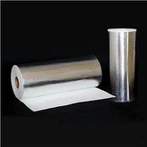
The installation of ceramic fiber blankets must be implemented in strict accordance with every detail outlined in the product manual. Before starting the installation, it is essential to first check whether all necessary tools (such as fixing bolts, washers, and cutting instruments) are fully prepared and in good condition. During the installation process, each step-from measuring the installation area to aligning the fiber blanket with the designated position and finally fixing it firmly-must be carried out with great care. This thorough approach ensures that the fiber blanket is stably attached to the target surface, effectively preventing any displacement caused by subsequent temperature fluctuations (such as sudden heating or cooling cycles in industrial equipment) or external forces (like accidental collisions during daily operations). It is crucial to emphasize that the accuracy of the installation position directly determines the fiber blanket's thermal insulation efficiency; even a slight misalignment can create gaps, leading to heat leakage and reducing energy-saving effects. Moreover, it poses potential safety risks, such as overheating of adjacent components. Additionally, throughout the entire construction process, ceramic fiber products must never be stepped on or crushed, as this can damage their internal fiber structure and compromise their performance. When cutting is required, proper tools like sharp scissors or rulers should be used to ensure neat and straight cuts, and tearing by hand must be strictly avoided, as tearing can result in uneven edges and loose fibers, which are difficult to install and may affect the overall sealing and insulation performance.
2,Pay attention to the working temperature range:
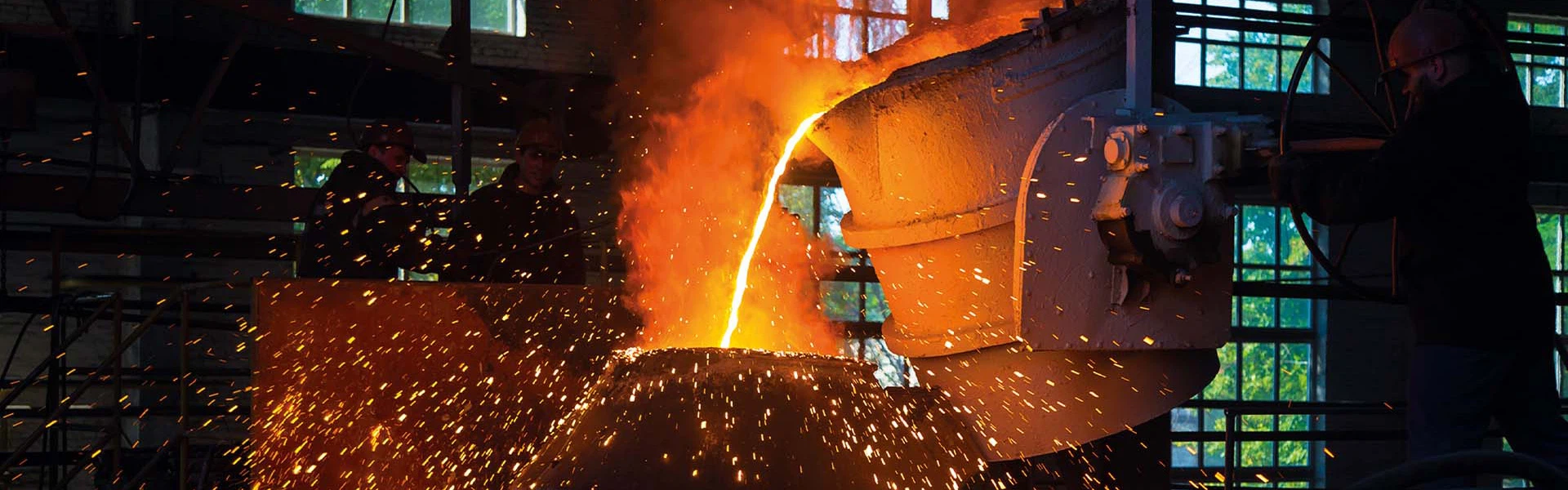
Ceramic fiber products are available in various grades, and each grade has a distinct fire resistance temperature, which is primarily determined by the differences in their raw material ingredients and manufacturing processes. For example, some low-grade ceramic fiber blankets may have a maximum working temperature of around 1000°C, while high-grade ones can withstand temperatures exceeding 1600°C. Therefore, when selecting and using ceramic fiber blankets, it is of utmost importance to carefully check the product specifications and clearly understand its designated working temperature range. Under no circumstances should the fiber blanket be used in an environment where the temperature exceeds its maximum tolerance limit. Long-term exposure to high temperatures beyond the specified range will accelerate the aging process of the material; the fibers may become brittle, lose their elasticity, and even undergo structural decomposition. This not only leads to a rapid decline in the fiber blanket's thermal insulation and fire resistance properties but also may cause the material to break or fall off, failing to provide effective protection and potentially resulting in serious safety accidents, such as equipment damage or fire hazards. To ensure safe and effective use, it is recommended to conduct regular temperature monitoring in the area where the fiber blanket is installed, especially in industrial settings with fluctuating temperatures, to promptly detect and address any temperature anomalies that may exceed the product's capacity.
3,Regular cleaning and maintenance:
Regular cleaning is a key measure to maintain the long-term performance and service life of ceramic fiber blankets. During daily use, the surface of the fiber blanket is prone to accumulating impurities such as oil stains, dust, and other contaminants. If these impurities are not cleaned in a timely manner, they will gradually penetrate the fiber structure, affecting the material's thermal conductivity and thus reducing its thermal insulation effect. In severe cases, oil stains may even be flammable, increasing the risk of fire and undermining the fiber blanket's fire resistance performance. When cleaning the fiber blanket, it is essential to avoid using acidic or alkaline detergents, as these corrosive substances can break down the chemical bonds of the ceramic fibers, damage the fiber structure, and permanently impair the product's performance. Instead, it is recommended to use a clean, soft cotton cloth to gently wipe the surface of the fiber blanket. For stubborn stains that are difficult to remove with a dry cloth, a small amount of neutral cleaning agent (such as mild soapy water) can be applied to the cloth, and the stains should be wiped off gently without excessive scrubbing to prevent fiber shedding. In addition to regular cleaning, spraying a high-temperature resistant protective coating on the surface of the ceramic fiber blanket is an effective way to enhance its durability. This protective coating can form a thin, dense film on the fiber surface, which not only reduces the adhesion of dust and oil stains, making subsequent cleaning easier but also significantly improves the surface fiber's resistance to wind erosion (especially in outdoor or well-ventilated environments) and prevents fiber degradation caused by oxidation at high temperatures, thereby extending the overall service life of the fiber blanket.
4,Regular inspection and replacement:
Conducting regular inspections of the integrity of ceramic fiber blankets is a critical part of ensuring their safe and effective operation, and this task should be included in the routine maintenance schedule of relevant equipment or facilities. The frequency of inspections should be determined based on the usage environment; for example, in harsh industrial environments with high temperatures, frequent vibrations, or large amounts of dust, inspections should be carried out more frequently (such as once a month), while in relatively stable indoor environments, inspections can be conducted every three months or so. During the inspection process, the entire surface of the fiber blanket should be carefully checked for any signs of damage, such as cracks, holes, or fiber shedding. Special attention should be paid to the edges and joints of the fiber blanket, as these areas are more prone to wear and tear or loosening. Once any damage or shedding is detected, the affected part of the fiber blanket must be replaced in a timely manner. Delayed replacement will not only lead to a further decline in the thermal insulation effect, resulting in increased energy consumption and reduced efficiency of the associated equipment but also may expose the underlying components to high temperatures or external hazards, posing serious safety risks to the entire system and on-site personnel. When replacing the fiber blanket, the same installation standards and procedures as the initial installation should be followed to ensure that the new fiber blanket is firmly fixed and can perform its intended functions effectively.