

1. The valve should be set in a position with convenient operation and good lighting. For valves set at high places, maintenance access and lifting equipment should be provided.
2. When closing the valve, do not apply excessive torque to the valve to cause damage to the valve. When the steam supply is stopped, it is necessary to confirm whether the valve is closed, and use some equipment or special signs that cannot be opened at will by others.
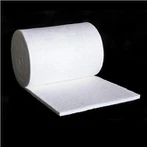
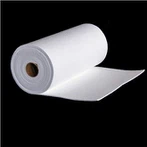
3. To develop inspection guidelines for pipes and valves. For underground and high-altitude locations, even pipes in trenches are no exception, and keep records. Pay special attention to underground pipes and drains that are prone to corrosion. Once a leak is found, no matter how small, it should be immediately plugged and repaired with ceramic fiberboard to avoid swelling.
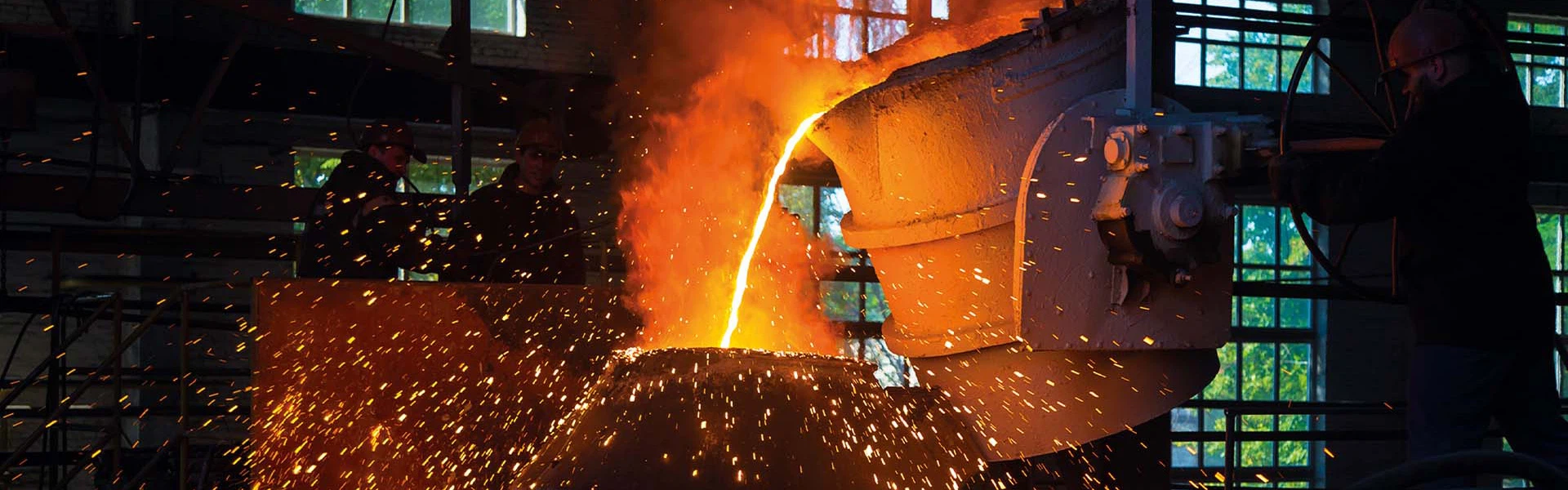
4. Check and maintain the furnace body and its door, and replace the sealing material regularly to ensure its air tightness and reduce the escape of furnace gas or the inhalation of cold air. Minimize the number and area of doors and openings of industrial furnaces, or use double-layer sealed doors to reduce the number, time and fluctuation of openings to reduce heat radiation, air leakage, and air leakage.
5. Minimize the number and size of water-cooled components in industrial furnaces. If possible, appropriately increase the cooling water outlet temperature and reduce the flow rate to reduce the heat loss formed by the cooling water.