In modern factory construction, the choice of partition wall materials directly affects production safety, the working environment, and operational costs. In recent years, rock wool sandwich panels have become a mainstream option for internal industrial workshop partitions due to their comprehensive advantages. These panels consist of two layers of high-strength metal sheets with a non-combustible rock wool core in the middle. What makes them so outstanding? This article provides an in-depth analysis from the perspectives of fire resistance, thermal insulation, soundproofing, and construction efficiency.
A "Fireproof Fortress" That Safeguards Safety
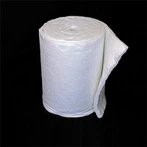
For any production workshop, fire protection is a top priority. The most significant advantage of rock wool sandwich panels lies in their excellent fire resistance. Rock wool itself is a new type of inorganic fireproof material made primarily from natural minerals such as basalt, which are melted at high temperatures and spun into fibers. It is classified as a non-combustible material.
Tests show that rock wool core material has a melting temperature exceeding 1000°C, effectively preventing the spread of flames. Sandwich panels using this core can achieve a Class A fire rating, with fire resistance times ranging from 30 minutes to 120 minutes or more, depending on the panel thickness. In the event of a fire in a workshop, rock wool sandwich panel partitions can buy valuable time for evacuation and firefighting efforts while preventing flames from spreading to adjacent areas, thereby minimizing potential losses.
Creating an Energy-Efficient and Comfortable "Constant-Temperature Workshop"
Temperature control in workshops is not only important for worker comfort but also affects the operational stability of certain precision equipment and overall energy consumption.
Rock wool sandwich panels offer excellent thermal insulation performance. The thermal conductivity of the core material is typically as low as ≤0.043 W/m·K, effectively reducing heat transfer. This means that in workshops requiring constant temperatures, these panels can significantly reduce the loss of heating or cooling, lowering the energy consumption of air-conditioning or heating systems and supporting energy efficiency.
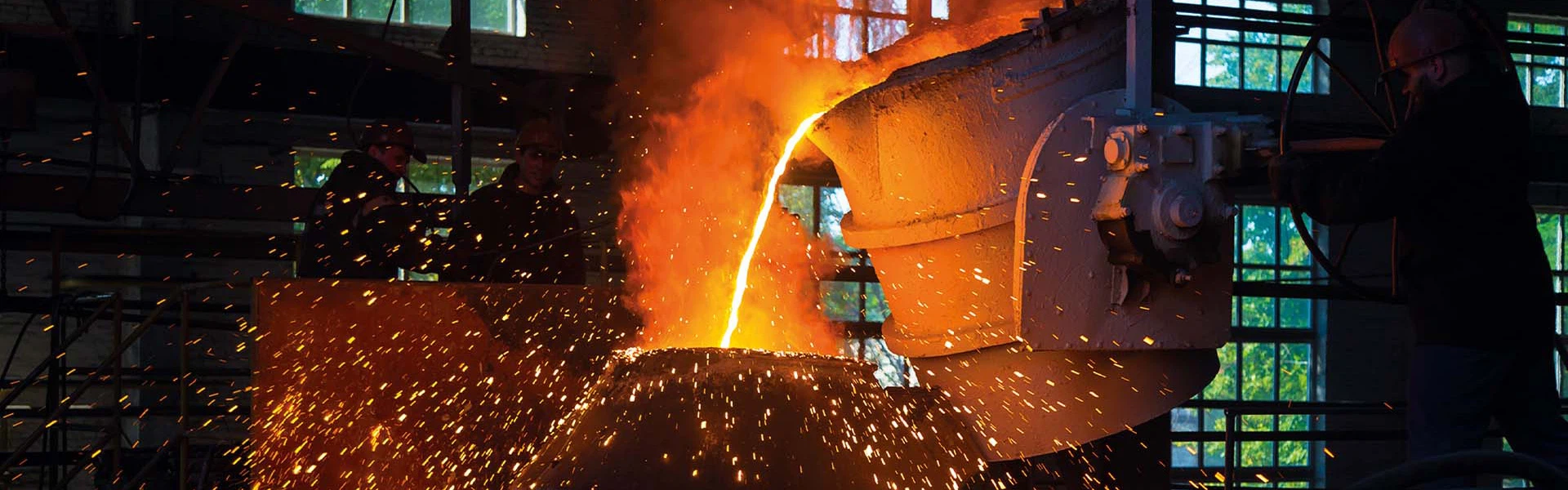
In metallurgy and forging workshops, rock wool partitions can block high-temperature radiation and improve the working environment. In cold storage facilities or food processing workshops, they help maintain low indoor temperatures efficiently.
A "Noise-Reduction Barrier" for a Quieter Workspace
Industrial production inevitably generates noise. Long-term noise pollution not only affects workers' physical and mental health but can also interfere with precision operations. The sound absorption and sound insulation properties of rock wool sandwich panels are another major advantage.
Rock wool fibers have a unique porous structure. When sound waves pass through these tiny pores, friction occurs, converting sound energy into heat energy and effectively reducing noise transmission. Test data shows that sandwich panels with 120 kg/m³ density rock wool cores can achieve a sound insulation rating of RW = 29–30 dB. This significantly reduces noise from operating equipment, creating a relatively quieter production or office environment within the workshop and meeting modern industrial occupational health requirements.
Strong Durability and Efficient Installation
Beyond functional performance, rock wool sandwich panels also excel in physical strength and construction efficiency.
1. Good Structural Rigidity
The rock wool core and two steel sheets are bonded together with high-strength adhesive to form an integrated structure that shares loads. This gives the panel greater overall rigidity compared with on-site composite panels, enabling it to withstand certain external impacts during daily workshop use.
2. Extremely Fast Installation
These panels use a prefabricated assembly installation method. They are manufactured in factories and then transported to the construction site for direct installation, greatly simplifying the complex processes required for traditional masonry partition walls. Statistics show that the average installation area can reach 600–800 m² per day, significantly shortening construction timelines and allowing workshops to become operational sooner.
3. Clean Appearance and Easy Maintenance
The panel surfaces are coated with colored steel sheets, which are smooth, flat, and resistant to stains. Simple cleaning can keep them looking new, making them especially suitable for environments that require high cleanliness, such as food processing, pharmaceutical, and electronics workshops.
Wide Range of Applications
Thanks to these comprehensive advantages, rock wool sandwich panels are widely used not only for partition walls and ceilings in steel-structure factories and warehouses, but also in electronic clean rooms, purification workshops, fire-resistant or explosion-proof workshops, as well as food and pharmaceutical facilities that require strict standards for fire safety, cleanliness, and insulation.
Conclusion
In summary, rock wool sandwich panels are widely used for workshop partition walls because they integrate multiple advantages into a single material: Class A fire resistance, excellent thermal insulation, effective soundproofing, lightweight yet high strength, and rapid installation. They are not merely a building material but a comprehensive solution that ensures safe production, improves worker comfort, and reduces long-term operational costs. In modern industrial plant construction, rock wool sandwich panels are undoubtedly a wise choice that balances both safety and practicality.