
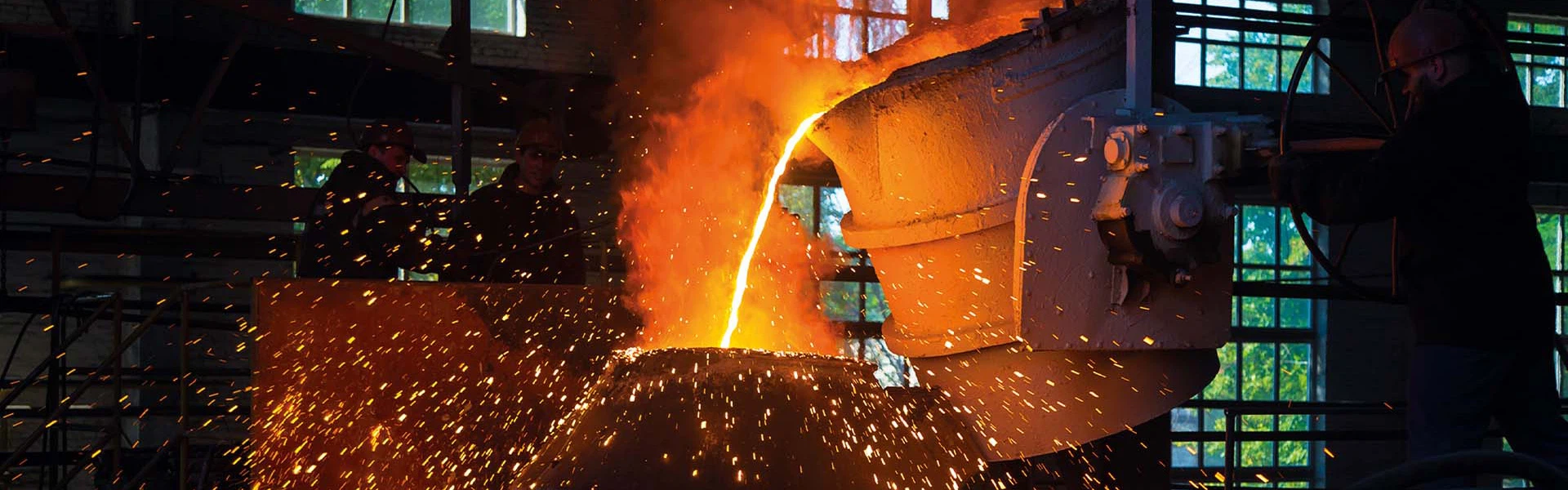
The 1600°C high-temperature resistant polycrystalline ceramic fiber blanket stands as a pivotal innovation in thermal management, offering unparalleled performance in extreme heat environments. Composed of interwoven polycrystalline fibers, this advanced material combines exceptional thermal stability with low thermal conductivity, making it indispensable across diverse industrial and technological sectors where sustained exposure to ultra-high temperatures is inevitable.

In the realm of industrial furnace linings, its application is transformative. For steel manufacturers, it lines annealing furnaces, reducing heat loss by up to 30% compared to traditional refractory materials, thereby cutting energy consumption and extending furnace lifespans by 2–3 years. In non-ferrous metal processing, it insulates sintering furnaces, ensuring uniform temperature distribution critical for alloy consistency. Glass and ceramic industries rely on it to maintain precise thermal gradients in trolley kilns and electric kilns, minimizing product defects during firing cycles.
The aerospace and defense sectors benefit from its ability to withstand thermal shock and prolonged exposure to 1600°C. It forms a core component of spacecraft heat shields, protecting payloads during re-entry by dissipating extreme heat. In high-temperature test chambers for jet engine components, it maintains stable ambient conditions, enabling accurate material performance evaluations under simulated operational stress.
For petroleum, chemical, and power facilities, the blanket provides superior insulation for reactors, heaters, and flue ducts. Its low thermal emissivity reduces surface temperatures of hot equipment, enhancing workplace safety while curbing energy waste. In heat exchangers, it preserves thermal efficiency by minimizing heat leakage, directly contributing to improved process productivity and reduced carbon footprints.
During heat treatment processes, it serves as a flexible, reusable insulation cover for workpieces. Its lightweight nature simplifies handling, while its resistance to oxidation ensures consistent performance across multiple heating cycles. This versatility makes it ideal for batch processing in automotive and aerospace component manufacturing, where precise temperature control is paramount for achieving desired material properties.
In fire protection systems, the blanket acts as a passive barrier in tunnels and building firestops. Its inorganic composition renders it non-combustible, slowing fire spread and maintaining structural integrity during emergencies. When wrapped around cables, it prevents thermal degradation, ensuring critical electrical systems remain operational during fires.
Laboratory and research settings utilize it in high-temperature furnaces for material science experiments. Its ability to maintain tight temperature tolerances (±5°C) ensures reliable data collection, supporting advancements in ceramics, metallurgy, and nanotechnology.
Beyond its thermal properties, the blanket's environmentally safe composition-free from toxic binders or fibers-aligns with global sustainability initiatives. Its durability reduces replacement frequency, while its recyclability minimizes waste. These attributes, combined with its proven performance in extreme conditions, solidify its position as the material of choice for high-temperature insulation across industries.


