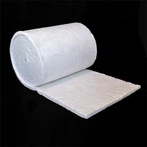
Compared with other insulation materials, the thermal insulation effect of rock wool has the following advantages:
1. Lower thermal conductivity: Rock wool has an extremely low thermal conductivity, which means it can prevent the transfer of heat more effectively. Compared with other insulation materials, rock wool has better thermal conductivity and can provide better thermal insulation effect.
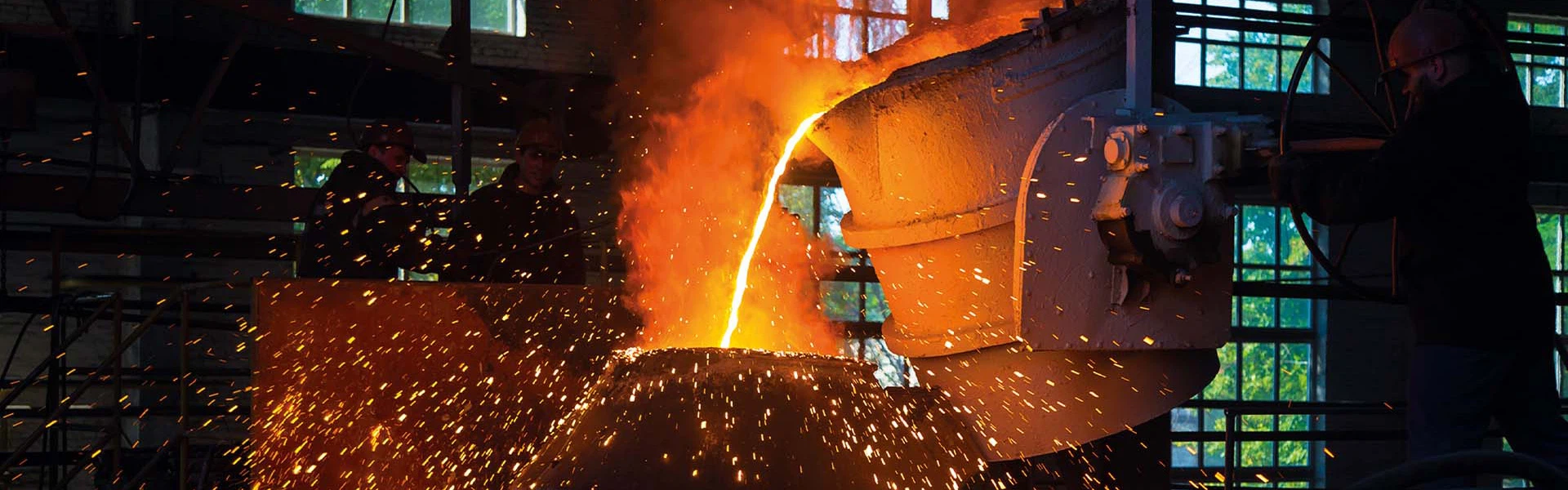
2. High temperature stability: Rock wool is an inorganic material with excellent high temperature stability. It can maintain stable thermal insulation performance in high temperature environments and will not reduce its thermal insulation effect as the temperature rises. This gives rock wool unique advantages in the insulation of high-temperature industrial equipment.
3. Good fire resistance: Rock wool does not burn and has excellent fire resistance. In the event of a fire, rock wool can effectively prevent the spread of fire and protect the safety of buildings and industrial equipment. This feature gives rock wool significant advantages in fire protection and insulation.
4. Long service life: Rock wool has stable thermal insulation performance and long service life. Compared with other insulation materials, rock wool is not easy to age or damage, and can maintain its insulation effect for a long time. This makes rock wool more economical and sustainable during long-term use.