
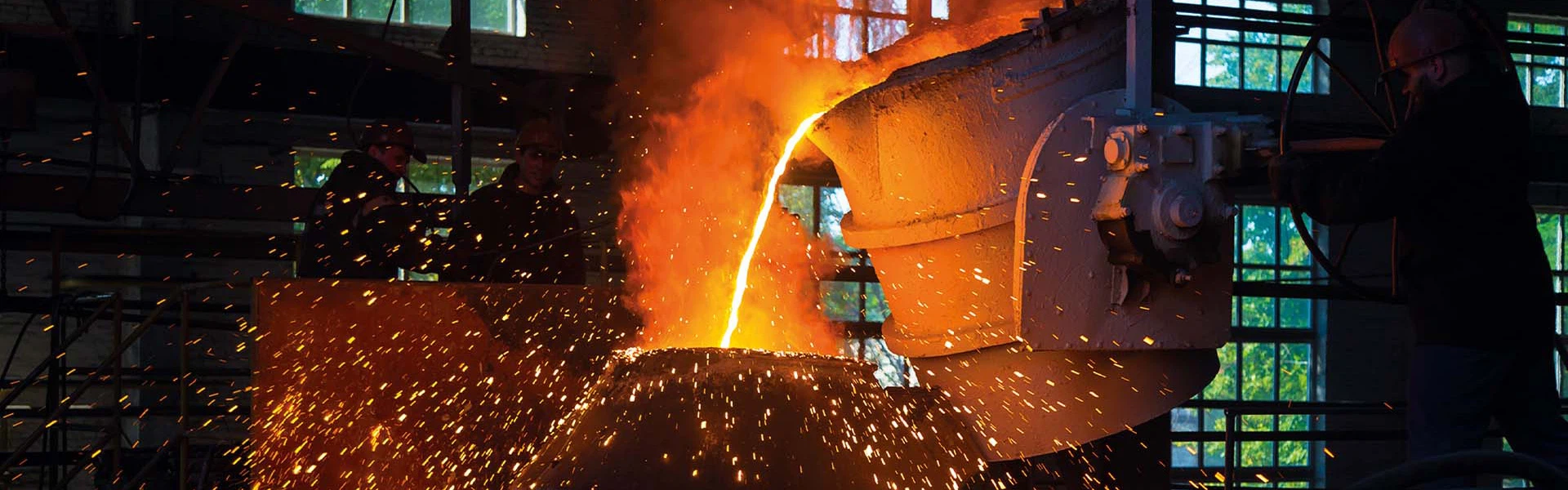
The energy consumption of the rock wool production line mainly depends on the specific equipment, production processes, and raw materials used. In general, the production of rock wool involves the melting of basalt or other suitable raw materials at high temperatures, which requires a large amount of energy. Additionally, the production process may also involve other energy-consuming steps such as mixing, forming, and curing.
To reduce energy consumption in the rock wool production line, manufacturers may consider using more efficient equipment, optimizing production processes, and using renewable or low-carbon energy sources. Additionally, they may also look for ways to recycle and reuse waste heat and other by-products from the production process.
However, it is important to note that the specific energy consumption of the rock wool production line can vary significantly depending on the specific conditions and equipment used. Therefore, it is recommended to consult with manufacturers or experts in the field to obtain more accurate information on energy consumption and potential energy-saving measures.


