
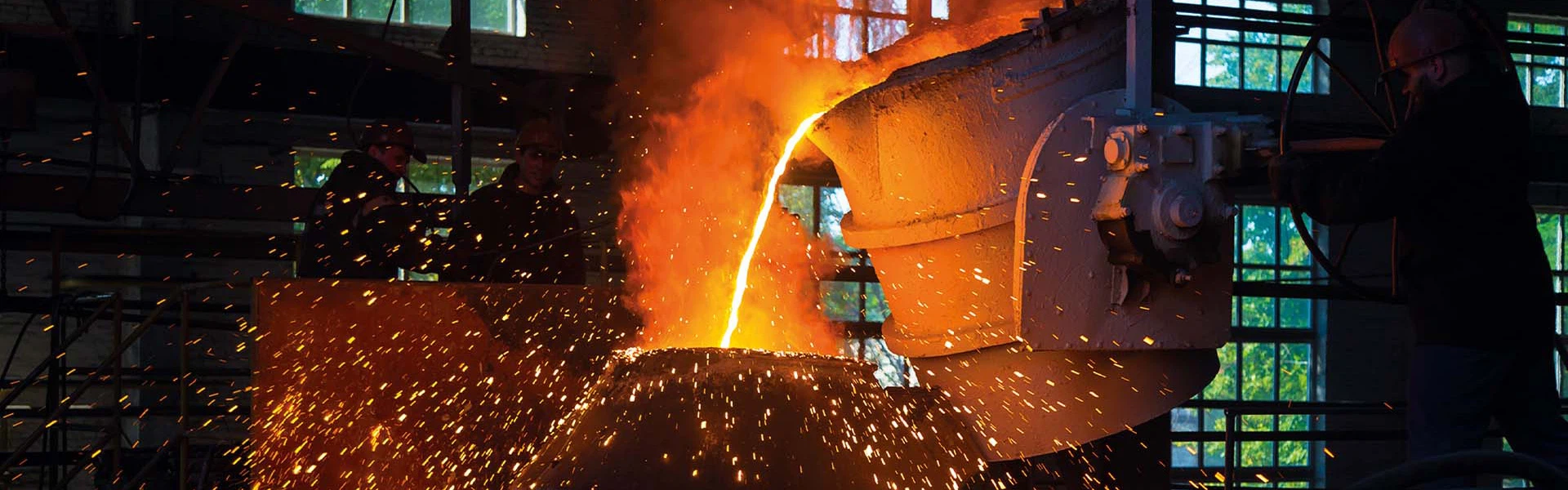
The refractory lining of a kiln holds a different story, with layers of heat, pressure and time etched into the surface of each resistant material. To understand these stories, one look is not enough. It requires a fresh perspective, and drone inspection is just the new tool to change the way kilns are maintained.
With drone inspection, what was once a cumbersome and limited process becomes an exploration of extraordinary detail. Equipped with high-resolution cameras and advanced imaging technology, modern inspection drones can navigate the intricate, harsh environment of kilns with unparalleled agility. They effortlessly glide through narrow passages and hover above hard-to-reach areas, capturing ultra-clear images that reveal even the most subtle anomalies: hairline cracks that might expand under thermal stress, minute signs of erosion caused by corrosive materials, and tiny that signals structural weakening. This level of clarity is not merely impressive-it is actionable. The detailed visual data and real-time feeds provided by the drones enable maintenance engineers to conduct in-depth analyses, track the progression of defects over time, and make informed decisions about maintenance strategies. Instead of relying on subjective observations or incomplete data, teams can develop targeted repair plans that address specific issues, ensuring that every maintenance effort is both effective and efficient.
The practical benefits of drone inspection extend far beyond enhanced detail-they translate directly into significant time and cost savings for industrial operations. Traditional kiln inspection methods often require extensive scaffolding to be erected for overhead work, a process that is not only labor-intensive but also time-consuming, often taking days to complete. Worse, this scaffolding work forces prolonged kiln shutdowns, which lead to substantial production losses. In contrast, drone inspection eliminates the need for such cumbersome infrastructure. Drones can be deployed within minutes, accessing remote and hazardous areas-such as the kiln's upper chambers or curved interiors-that would be dangerous or impossible for human inspectors to reach safely. This not only reduces the risk of workplace accidents but also drastically cuts down on kiln shutdown time; what once took days can now be accomplished in a matter of hours.
Furthermore, the efficiency of drone inspection enables more frequent and consistent monitoring. With traditional methods, inspections are often spaced out to minimize production disruption, leaving potential issues undetected for weeks or even months. Regular drone inspections, however, can be conducted without major operational interruptions, allowing teams to identify and address minor defects before they evolve into major problems. This proactive approach not only ensures that kilns operate safely and efficiently but also minimizes unplanned production interruptions. Over time, the cumulative effect is profound: reduced maintenance costs, extended kiln lifespan, improved operational reliability, and higher overall productivity. In an industrial landscape where efficiency and safety are paramount, drone inspection has proven to be more than just a new tool-it is a game-changer that empowers businesses to protect their critical assets, optimize their operations, and secure a more sustainable future.


